
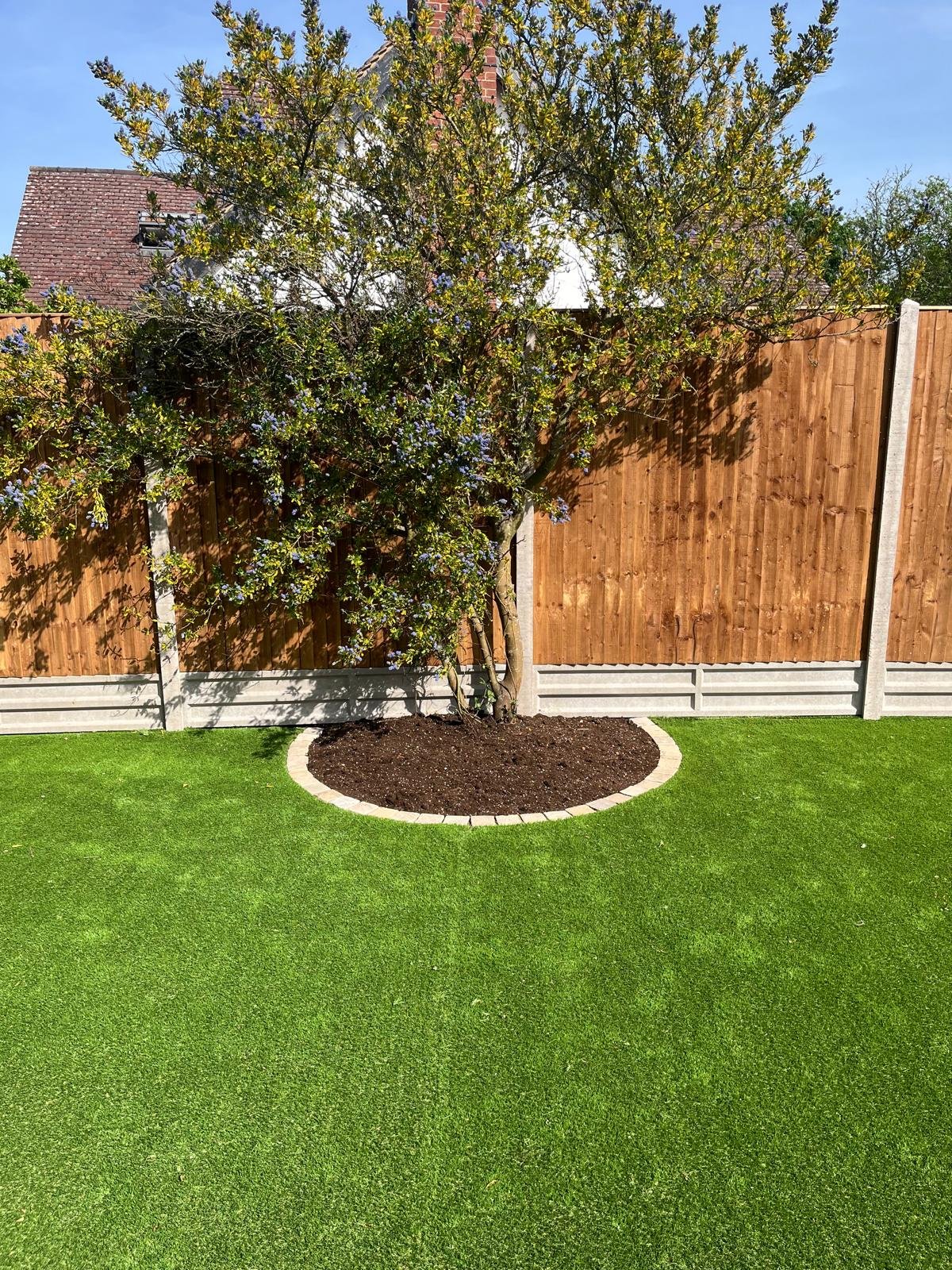
Landscaping & GardenGroundwork in Potters Bar
A garden that's uneven, poorly drained or built from the wrong materials never quite works, no matter how much planting goes on top of it. We handle the groundwork that makes a garden function properly first: levels, drainage, retaining walls and hard surfaces, so whatever you build or plant afterwards actually lasts.
Rated 5.0 on Google · family-run in Potters Bar since 2013
Est. 2013
Trading in Potters Bar for over a decade
25+ years
Hands-on groundwork and construction experience
5.0 rating
On our Google Business Profile
Family-run
John and Amy Quinn, not a call centre
Available 24/7
Call any day and speak to the people doing the work
Overview
What landscaping groundwork covers
Landscaping groundwork is the structural side of transforming a garden: levelling sloped or uneven ground, building retaining walls and raised beds, laying paths and patios, installing drainage, and preparing the base that lawns, planting and features sit on. It's the part of a garden project that has to be right before any planting or finishing touches make sense.
It's for anyone with a garden that slopes awkwardly, floods in one corner, has a failing retaining wall, or simply needs reshaping to work better for how the family actually uses it. It also covers full garden transformations for new-build plots handed over as flat mud, and gradual improvements to an established garden that's never had proper structural attention.
A garden built without proper groundwork tends to develop problems within a few years: retaining walls lean, patios sink, and lawns waterlog because nobody addressed levels or drainage first. A groundworker who understands soil movement, retaining structures and falls gets the underlying structure right, which is what actually determines whether a garden still looks good in ten years.
Levels done properly
Getting the fall right across a garden, away from the house and towards drainage, is the single biggest factor in whether a garden stays usable through winter.
Retaining structures built to last
Sleeper walls, block walls and brick retaining walls all need proper foundations and drainage behind them, or they lean and fail within a few seasons.
Sequenced correctly
Groundwork, drainage and hard landscaping have to happen before turf or planting goes in; doing it the other way round means redoing finished work later.
What happens if it waits
What happens when garden groundwork is skipped
Gardens that look fine on the surface but were never properly levelled, drained or retained tend to develop the same problems: sinking, leaning and waterlogging. These issues rarely show up immediately, which is exactly why they get built over rather than fixed.
Retaining walls failing
A wall built without proper footings, drainage or backfill will lean and eventually collapse under the pressure of wet soil behind it, sometimes within a couple of years.
Waterlogged lawns and beds
Ground that wasn't levelled or drained correctly holds water in the same spots every winter, killing grass and rotting plant roots that would otherwise survive fine.
Sinking patios and paths
Hard surfaces laid on unprepared or poorly compacted ground settle unevenly, creating trip hazards and pooling water in the dips.
Common mistakes we get called out to fix
- Building a retaining wall without a proper concrete footing or drainage behind it.
- Laying turf or planting before the underlying levels and drainage are sorted.
- Ignoring the fall of the garden and letting water run towards the house instead of away from it.
- Using railway sleepers or timber without treating or protecting them from ground contact.
- Skipping sub-base compaction under patios and paths to save time.
- Planting large trees or hedges too close to walls, drains or foundations.
Our process
How the job
actually runs
The same sequence on every job, with one point of contact from the first site visit to the final sweep down.
- 01
Consultation and design
We walk the garden with you, discuss how it's actually used, and identify level changes, drainage issues and structural work needed before anything else is planned.
- 02
Clearance and setting out
Existing planting, structures or surfaces that need to go are cleared, and the new layout is marked out on the ground for you to check before work starts.
- 03
Levels and excavation
Ground is cut or built up to create the levels needed, with spoil removed or reused elsewhere on site depending on the design.
- 04
Drainage installation
Land drains, soakaways or channel drains go in wherever the garden collects water, tied into the new levels before any surface goes down.
- 05
Retaining structures and hard landscaping
Walls, steps, patios and paths are built on proper foundations and compacted sub-base, in the materials agreed for the project.
- 06
Topsoil and preparation for planting
Beds and lawn areas get topsoil brought to the correct level and graded, ready for turf, seed or planting to go straight in.
- 07
Final finish and handover
We walk the finished garden with you, check falls with water where relevant, and leave it ready for whatever comes next, whether that's your planting or ours.
Benefits
What you get for
the money you spend
Garden that drains properly
Correct levels and drainage mean lawns and beds stay usable through winter instead of turning to mud in the same corner every year.
Structures that don't move
Retaining walls and steps built on proper footings stay put for decades rather than leaning or cracking within a few seasons.
Avoids redoing finished work
Getting groundwork and drainage right before planting or turfing means you're not lifting a lawn later to fix a problem underneath it.
Usable space, not wasted space
Levelling an awkward slope or reshaping a boggy corner turns unused ground into space the family can actually sit in or play on.
Safer underfoot
Patios and paths laid on properly compacted sub-base don't sink unevenly, which removes the trip hazards that come with settling surfaces.
One contractor for the whole job
The same team handles levels, drainage, walling and paving, so there's no gap between trades and no dispute over what caused a later problem.
In detail
Garden groundwork in more detail
Landscaping groundwork covers a wide range of situations, from a full garden rebuild on a new-build plot to targeted fixes on an established garden with one specific problem.
Levelling and regrading
Many gardens, especially on newer developments, are left with an awkward slope or uneven levels that make the space hard to use for seating, lawn or play areas. Regrading involves cutting into higher ground and building up lower areas, often combined with retaining structures to hold the new levels in place.
Getting the fall right matters as much as getting the levels flat; a garden needs a gentle slope away from the house towards a drain or soakaway, not a flat plane that holds water wherever it lands.
Retaining walls and raised beds
Retaining walls hold back a level change and are built from sleepers, concrete block, brick or natural stone depending on budget and style. Whatever the material, the structural principle is the same: a proper footing, drainage behind the wall to relieve water pressure, and adequate wall thickness for the height of soil being retained.
Raised beds serve a similar purpose on a smaller scale, and are a practical way to improve poor or waterlogged soil without regrading an entire garden, since they let you bring in better topsoil above the existing ground level.
Hard landscaping: patios, paths and steps
Patios, paths and steps need the same fundamentals as a driveway: proper excavation, a compacted sub-base, and correct falls so water sheds away rather than pooling. Materials range from natural stone and porcelain to block paving and resin bound surfacing, chosen to suit the style of the house and garden.
Steps between level changes need consistent rise and going for safety, and should tie into the same drainage plan as the rest of the garden so water doesn't collect at the base of a flight.
Drainage and soil preparation
Most garden problems trace back to water, so drainage is built into the groundwork plan from the start rather than added afterwards. Land drains under lawns, soakaways for hard surfaces and channel drains at thresholds all tie into the levels being created.
Soil preparation matters just as much: heavy clay commonly found in Hertfordshire gardens often needs breaking up, improving with organic matter, or replacing in areas intended for planting, so whatever goes in afterwards actually has a chance to establish.
New-build gardens vs established garden renovation
New-build plots are often handed over as compacted subsoil with no topsoil, drainage or structure at all, meaning the entire garden effectively starts from groundwork. This gives more flexibility to design levels and drainage exactly as needed from scratch.
Renovating an established garden usually means working around existing trees, boundaries and structures, and diagnosing why a current problem, whether a leaning wall, a boggy lawn or a sinking patio, is happening before deciding whether to repair or rebuild it.
Related services
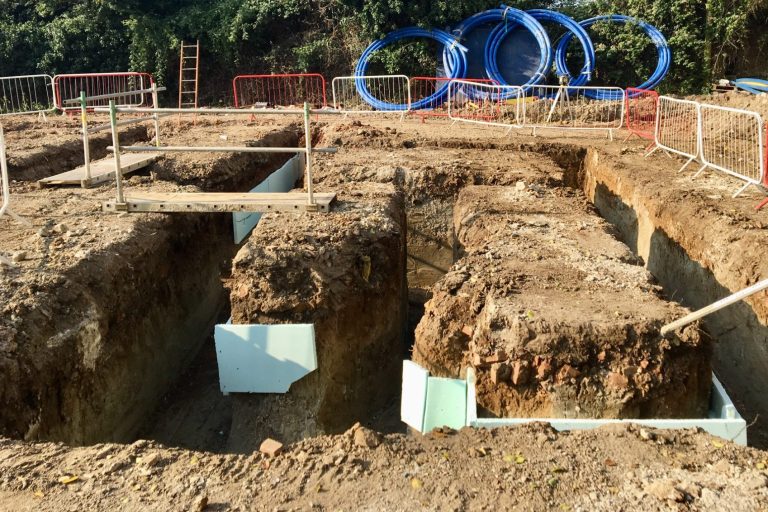
Groundworks
Excavation, muck away, sub-bases and site preparation for homeowners and builders.
Read more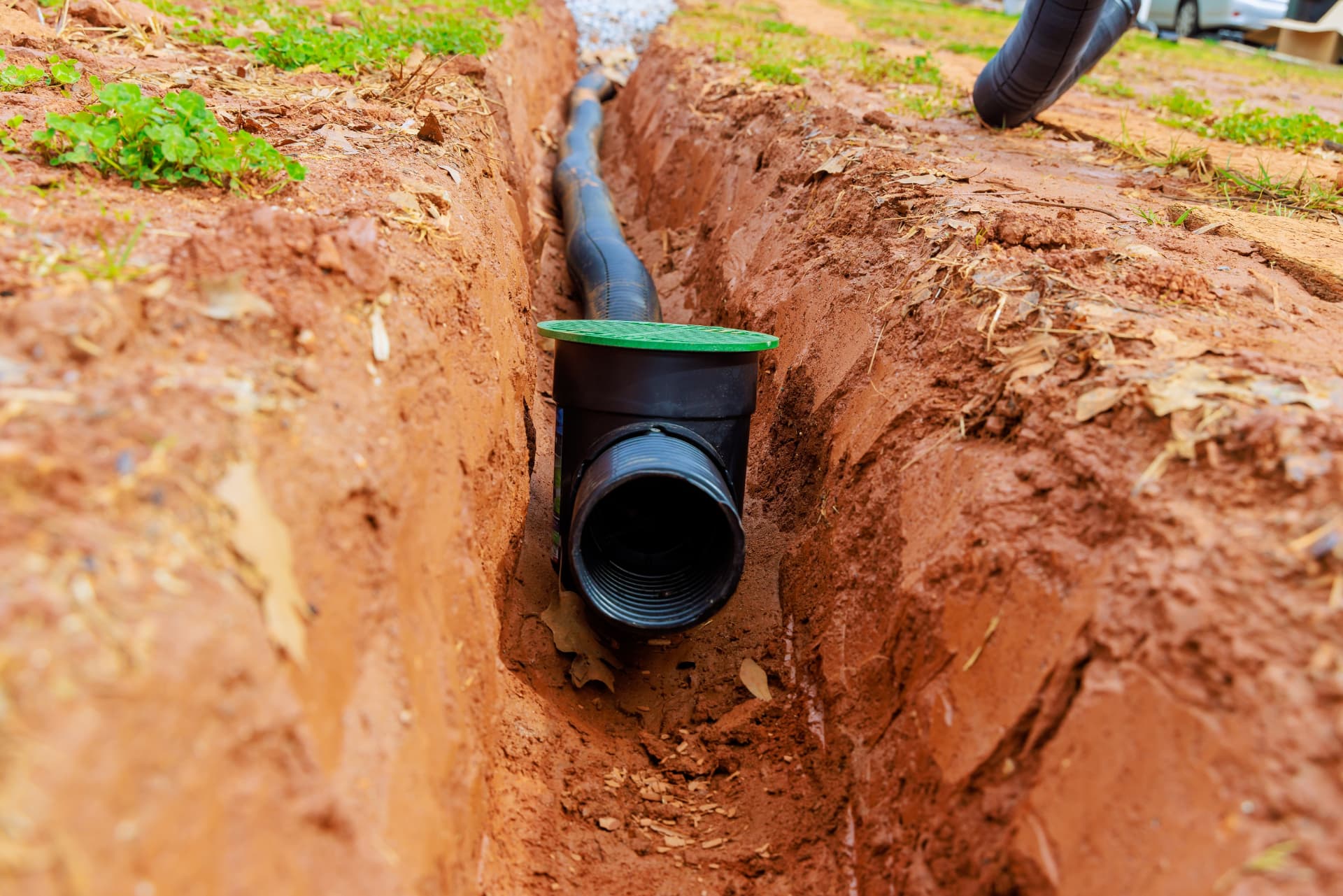
Drainage
Channels, soakaways and surface water solutions designed in from the start.
Read more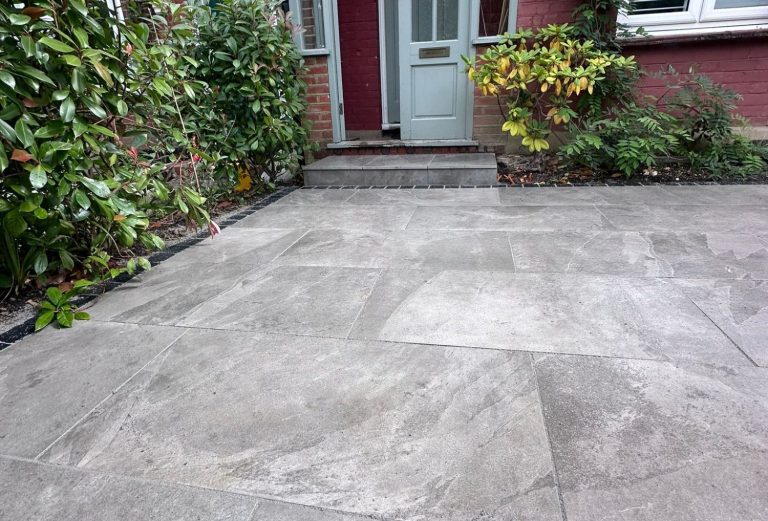
Patios
Porcelain, natural stone and paving laid level, tidy and made to last.
Read more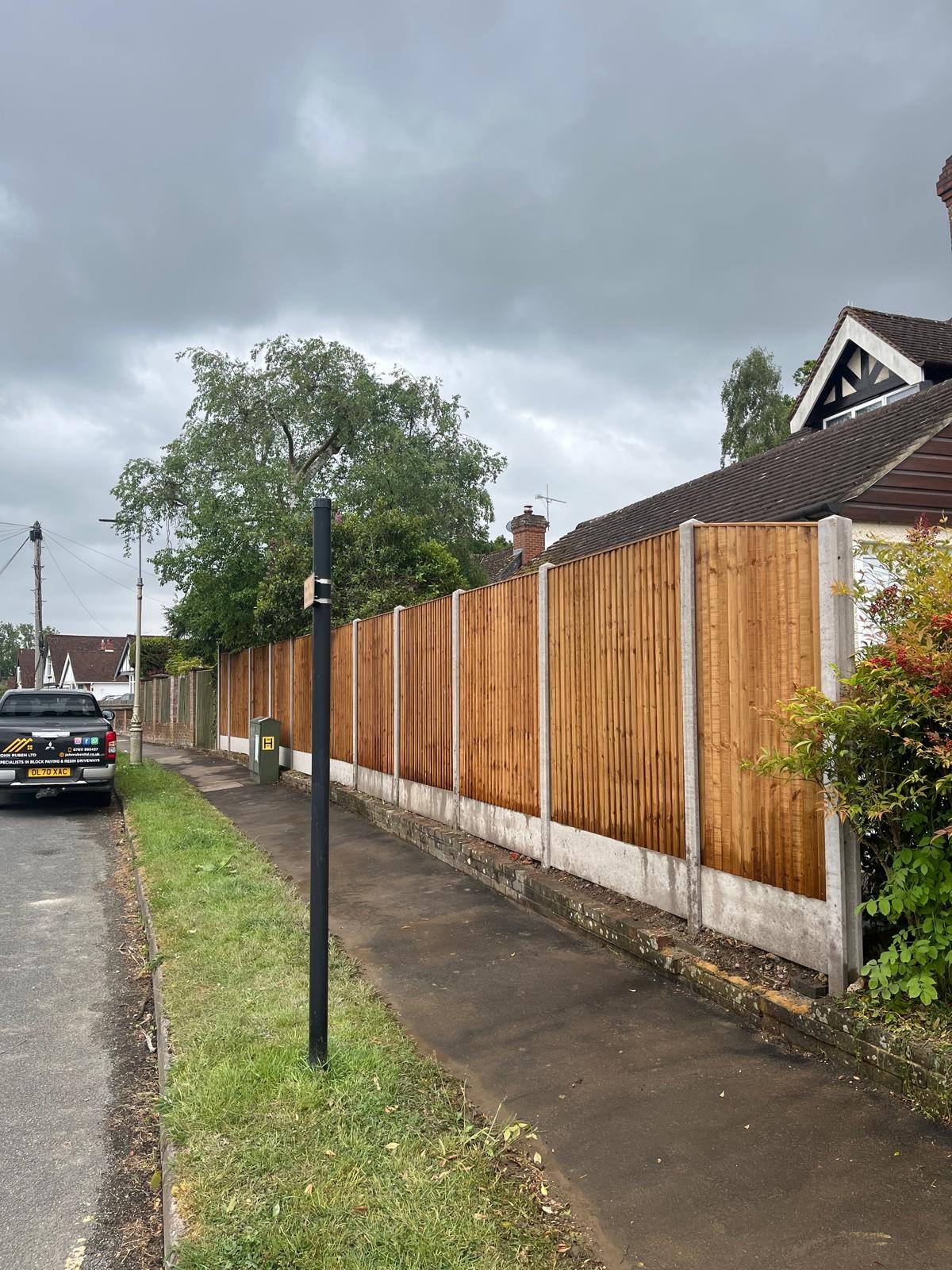
Fencing
Posts set properly, panels lined true, boundaries you don't think about again.
Read moreLandscaping across our service areas
- Landscaping in Potters Bar
- Landscaping in Brookmans Park
- Landscaping in Hadley Wood
- Landscaping in Cuffley
- Landscaping in Cockfosters
- Landscaping in Totteridge
- Landscaping in Whetstone
- Landscaping in Mill Hill
- Landscaping in Barnet
Based in Potters Bar, working across south Hertfordshire and north London. See all our services or get in touch.
Common questions
Answers before
you call
- How much does garden landscaping cost?
- Costs vary hugely depending on the scale of levelling, drainage and hard landscaping involved. We assess this on a site visit, looking at the ground conditions and what you want the finished garden to do, and give you a figure based on that.
- How long does a full garden landscaping project take?
- A small project like a single retaining wall or path might take a few days. A full garden rebuild involving levelling, drainage, walling and hard surfacing typically runs from one to three weeks depending on scale and weather.
- Do you do the planting and turfing too?
- Our focus is the groundwork: levels, drainage, walling and hard surfaces, which is the structural foundation a garden needs. We can prepare topsoil ready for turf or planting, and coordinate timing if you're using a separate planting contractor.
- Will you need to remove a lot of soil?
- It depends on the levels required. Regrading a sloped garden can mean bringing soil in or taking it away, and we plan this as part of the design so spoil is managed efficiently rather than left in skips unnecessarily.
- How long do retaining walls last?
- A retaining wall built with a proper concrete footing and drainage behind it can last well beyond twenty years. Walls that fail early almost always lack one of those two things, which is why we don't build without them.
- Can you fix a garden that already has drainage problems?
- Yes. A lot of our landscaping work starts with diagnosing why a garden waterlogs or a wall is leaning, then correcting the levels or drainage causing it rather than just patching the visible symptom.
- Do I need planning permission for garden landscaping?
- Most groundwork, walling and patios fall under permitted development, though retaining walls above certain heights near boundaries can need consent. We can flag anything that needs checking before work starts.
- Are you available for emergency issues, like a collapsing wall?
- We're available 24 hours a day, seven days a week, and can attend to assess urgent structural issues such as a leaning or collapsing retaining wall, then plan the rebuild properly.
- Do you cover gardens near Potters Bar?
- Yes, we carry out landscaping and groundwork across Potters Bar, Brookmans Park, Hadley Wood, Cuffley, Cockfosters, Totteridge, Whetstone, Mill Hill and Barnet.
- What's the difference between landscaping and groundworks?
- Groundworks is the broader term for structural earth and drainage work, including foundations for buildings. Landscaping groundwork applies the same skills specifically to gardens: levels, retaining walls, drainage and hard surfaces built for outdoor living rather than construction.
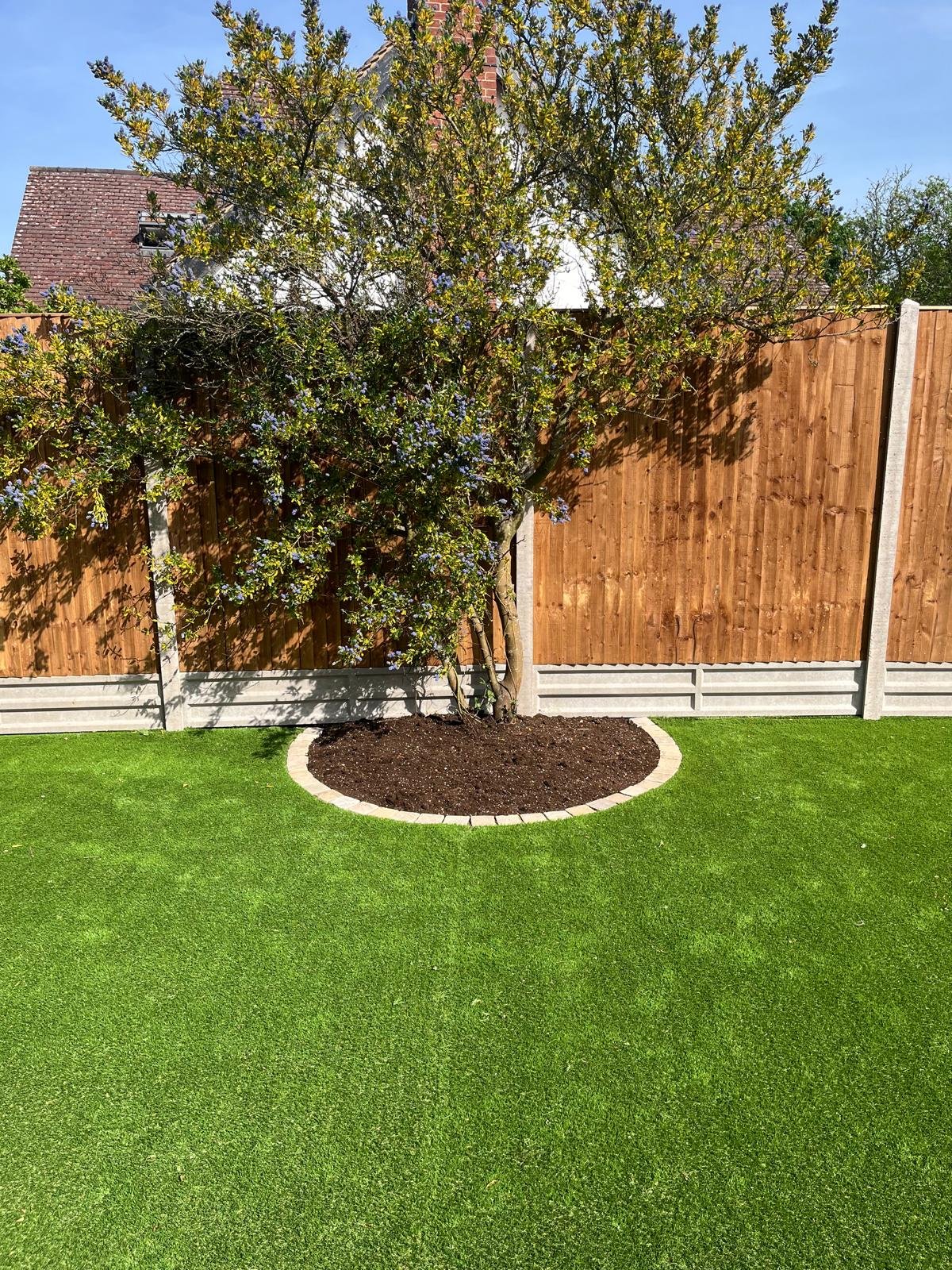
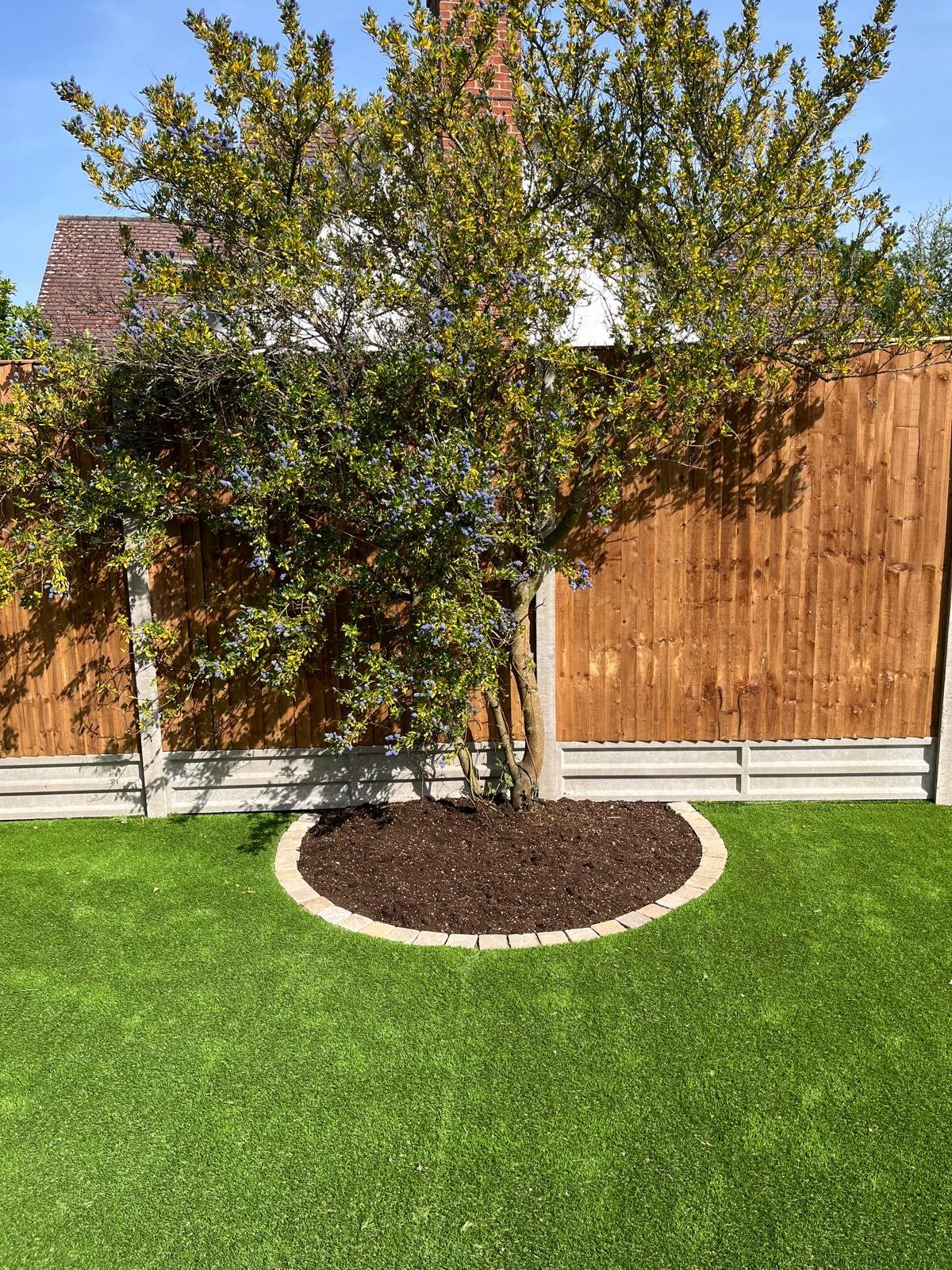
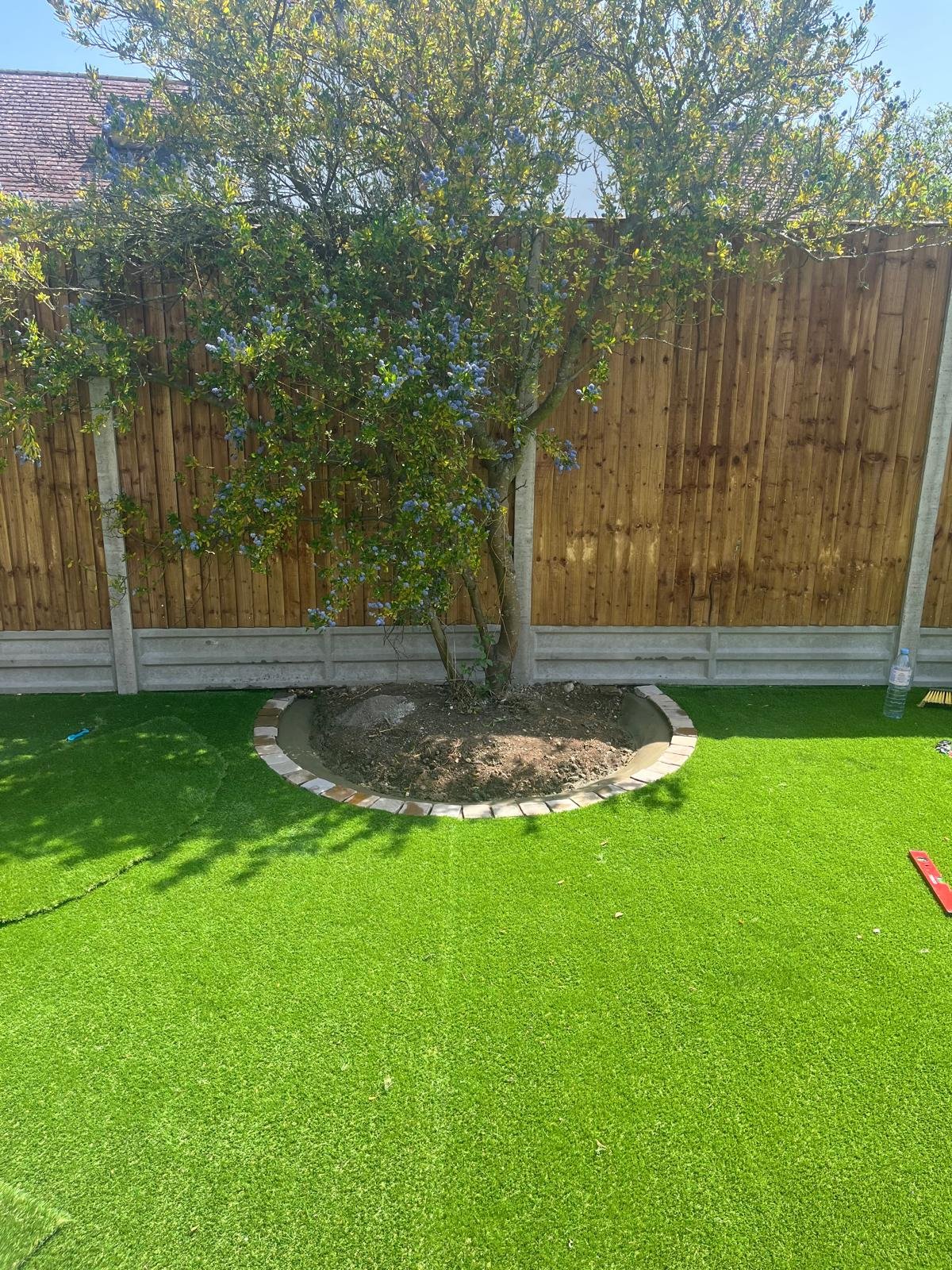
Recent work
Get your garden'sgroundwork right
Whether it's one leaning wall or a full garden rebuild, we start with the levels and drainage that make everything else work. Call any time to arrange a visit.
Established 2013 · 25+ years’ experience · 5.0 rated on Google · family-run · available 24 hours, 7 days