
Groundworks Potters BarSite Preparation Done Properly, Start to Finish
Get a level, well-drained, structurally sound site ready for whatever's built on top of it, without costly surprises halfway through. John Ruben Ltd has been managing groundworks across Potters Bar and north London since 2013, so the excavation, levels and drainage are right the first time, saving you weeks of remedial work later.
Rated 5.0 on Google · family-run in Potters Bar since 2013
Est. 2013
Trading in Potters Bar for over a decade
25+ years
Hands-on groundwork and construction experience
5.0 rating
On our Google Business Profile
Family-run
John and Amy Quinn, not a call centre
Available 24/7
Call any day and speak to the people doing the work
Overview
What Groundworks Covers
Groundworks is everything that happens below and around a finished surface before the visible work starts: clearing the site, excavating to the right depth, installing drainage and services, compacting sub-bases, and setting accurate levels. It's the stage nobody sees once the driveway, patio or extension is finished, but it's the stage that decides whether that finished surface lasts ten years or two.
It's needed by homeowners extending a property, building a new driveway or patio, laying a base for a garden room or outbuilding, or dealing with a garden that floods, slopes badly, or has poor drainage. Developers and builders also bring groundworkers in ahead of foundations, footpaths, or hardstanding areas on larger plots.
Get groundworks wrong and everything built afterwards inherits the problem: cracked slabs, pooling water, sinking edges, damp creeping into a building. A groundworker who understands soil types, drainage falls, compaction rates and local ground conditions around Potters Bar and Hertfordshire clay catches these issues before they're buried under concrete or block paving.
Site clearance
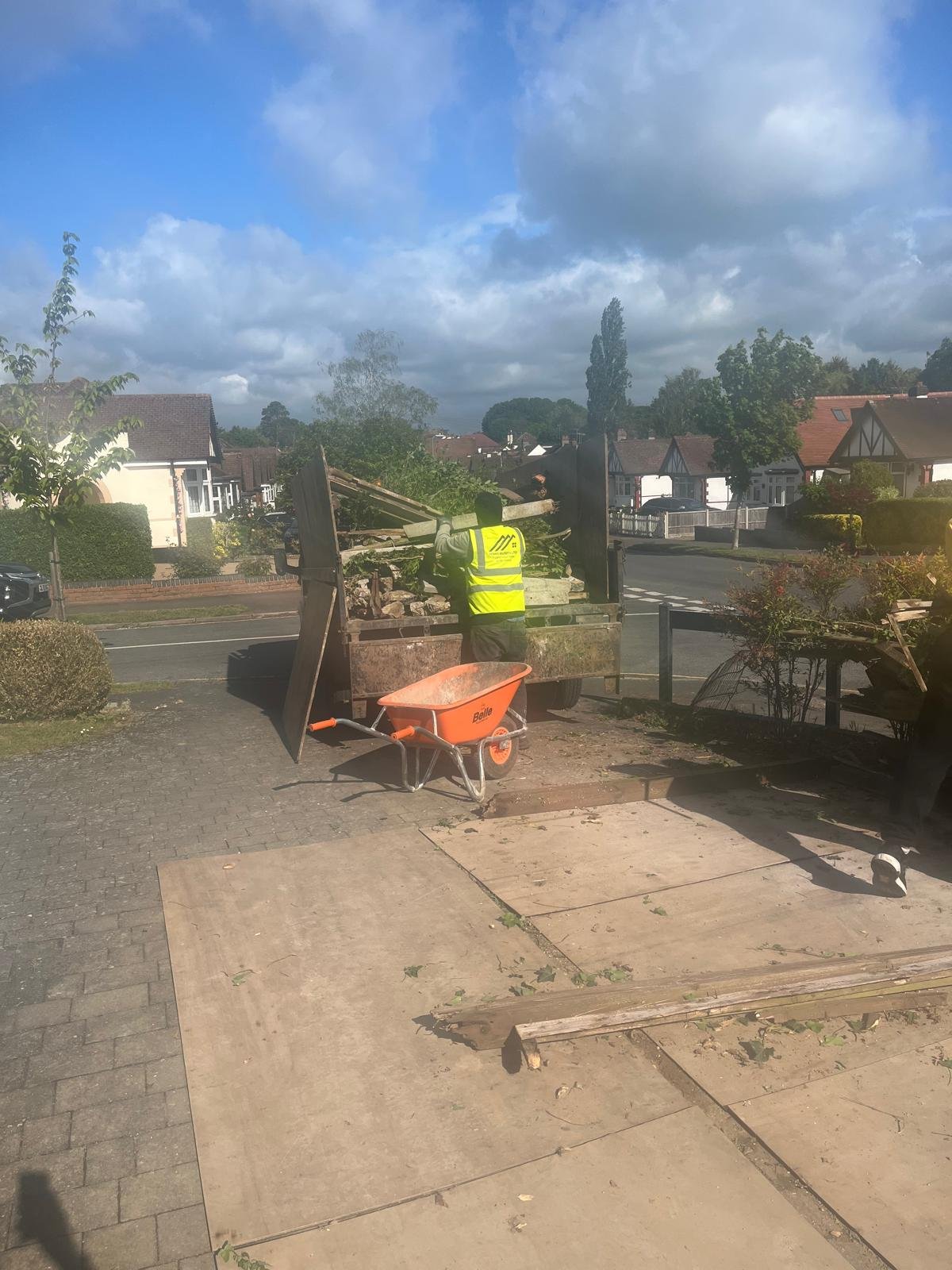
Vegetation, old surfaces, tree roots and debris removed and disposed of properly before any digging starts.
Excavation & levels
Ground dug out to the correct depth and set to accurate falls, so water moves away from buildings, not towards them.
Drainage & sub-base
Land drains, soakaways and compacted sub-base installed to suit the soil, load and finished surface above.
What happens if it waits
Why Groundworks Goes Wrong
Most groundworks failures aren't visible until months later, once frost, heavy rain or vehicle weight expose a shortcut taken underground. On Hertfordshire's clay-heavy ground, poor excavation and compaction cause more damage than almost anything else in a build.
Standing water
Wrong falls or no drainage means water sits against walls, footings or new surfaces, eventually finding its way into brickwork or under slabs.
Ground movement
Clay soil expands and contracts with moisture. Shallow or unstable excavation lets that movement crack whatever's built above it.
Sub-base failure
A thin or poorly compacted sub-base can't carry the weight above it, so surfaces sink, rut or crack within a season or two.
Common mistakes we get called out to fix
- Digging to a guessed depth instead of surveying levels first
- Skipping a proper sub-base to save time or material cost
- Ignoring existing drainage runs or nearby tree roots
- Compacting in layers too thick for the plant used
- No fall built in, so water has nowhere to go
- Backfilling with unsuitable material instead of engineered aggregate
Our process
How the job
actually runs
The same sequence on every job, with one point of contact from the first site visit to the final sweep down.
- 01
Site visit & assessment
We walk the site, check access, existing drainage, soil type and any services below ground before quoting.
- 02
Planning & levels
Levels, falls and drainage points are set out so water always moves away from buildings and finished surfaces.
- 03
Clearance & excavation
Old surfaces, vegetation and spoil removed, then ground dug out to the confirmed depth and profile.
- 04
Drainage installation
Land drains, soakaways or channel drains fitted where the survey shows water needs to be managed.
- 05
Sub-base & compaction
Type 1 or MOT aggregate laid in compacted layers matched to the load the finished surface will carry.
- 06
Final levels check
Surface checked against string lines and levels before handover to the next trade or final finish.
- 07
Site handover
Spoil removed, boundaries left tidy, and the base signed off ready for paving, foundations or building work.
Benefits
What you get for
the money you spend
Faster follow-on trades
A correctly prepared base means paving, concreting or building crews can start immediately, without redoing your work.
Longer-lasting surfaces
Proper compaction and drainage mean driveways, patios and slabs resist cracking and sinking for years longer.
Avoids expensive rework
Getting levels and drainage right first time avoids digging up and replacing a failed base later.
Consistent, tracked progress
One contractor managing excavation, drainage and levels means fewer handover gaps between separate trades.
Water managed properly
Falls and drainage designed for the site keep water away from foundations, walls and finished surfaces.
Fewer surprises later
Ground conditions, services and drainage issues are identified and dealt with before they're built over.
In detail
Groundworks in Detail
Groundworks covers a wide range of below-ground work, and the right approach depends heavily on soil type, site access and what's being built above it.
Materials & aggregates
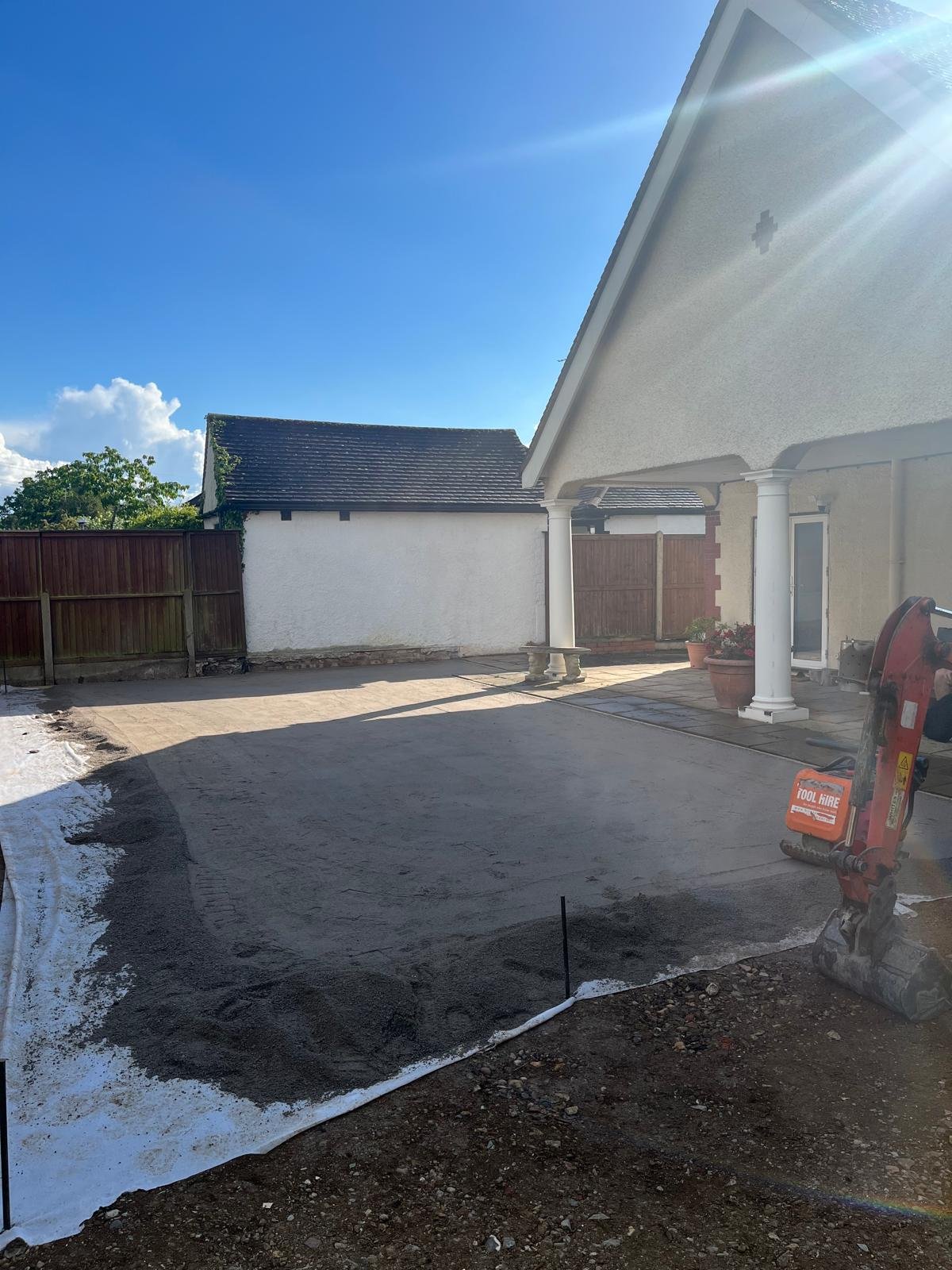
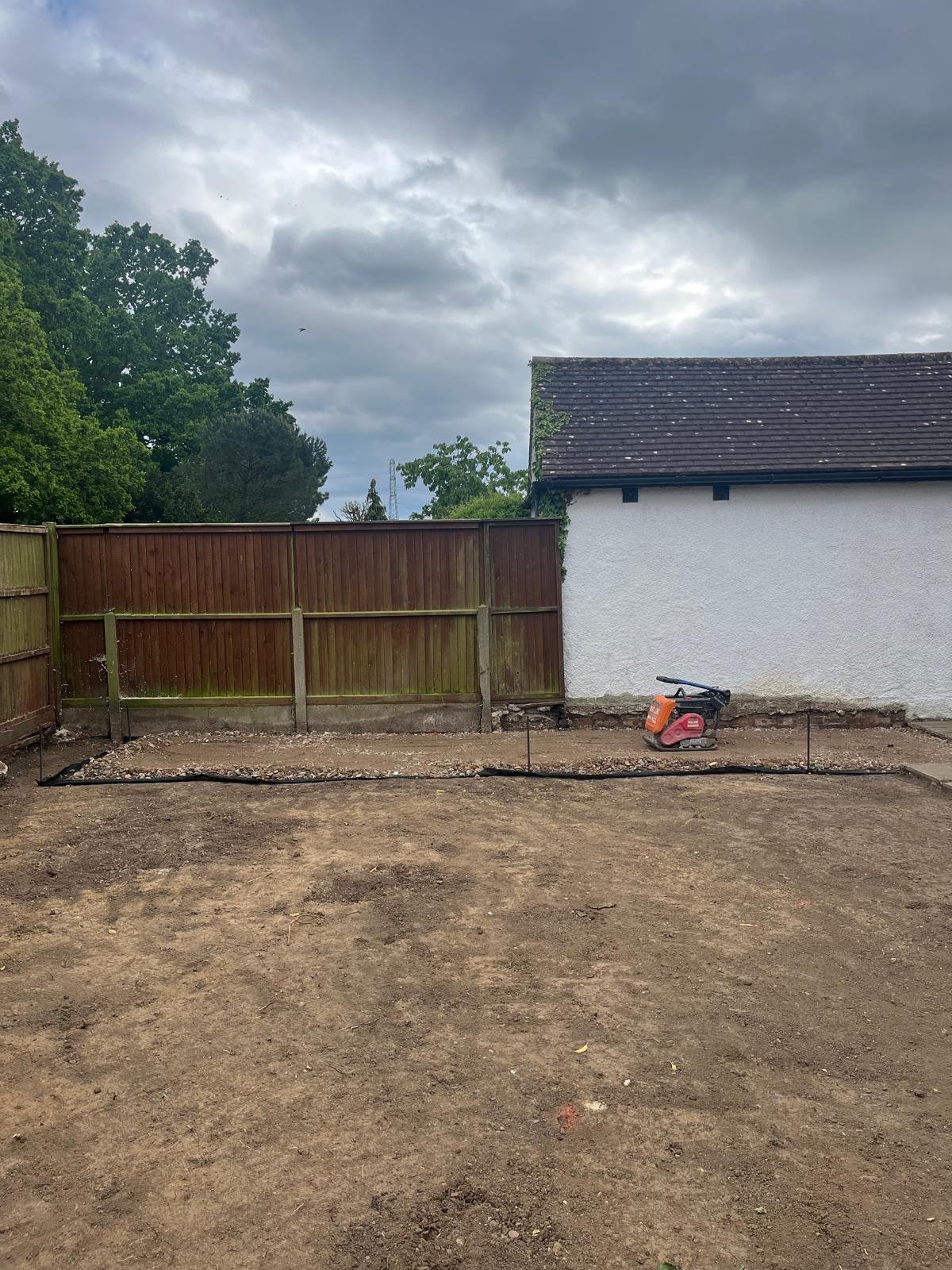
Most sub-bases use MOT Type 1 or similar crushed aggregate, compacted in layers with a wacker plate or roller depending on the area size. Depth and material choice depend on what sits on top: a patio needs less than a driveway that will carry vehicle weight regularly.
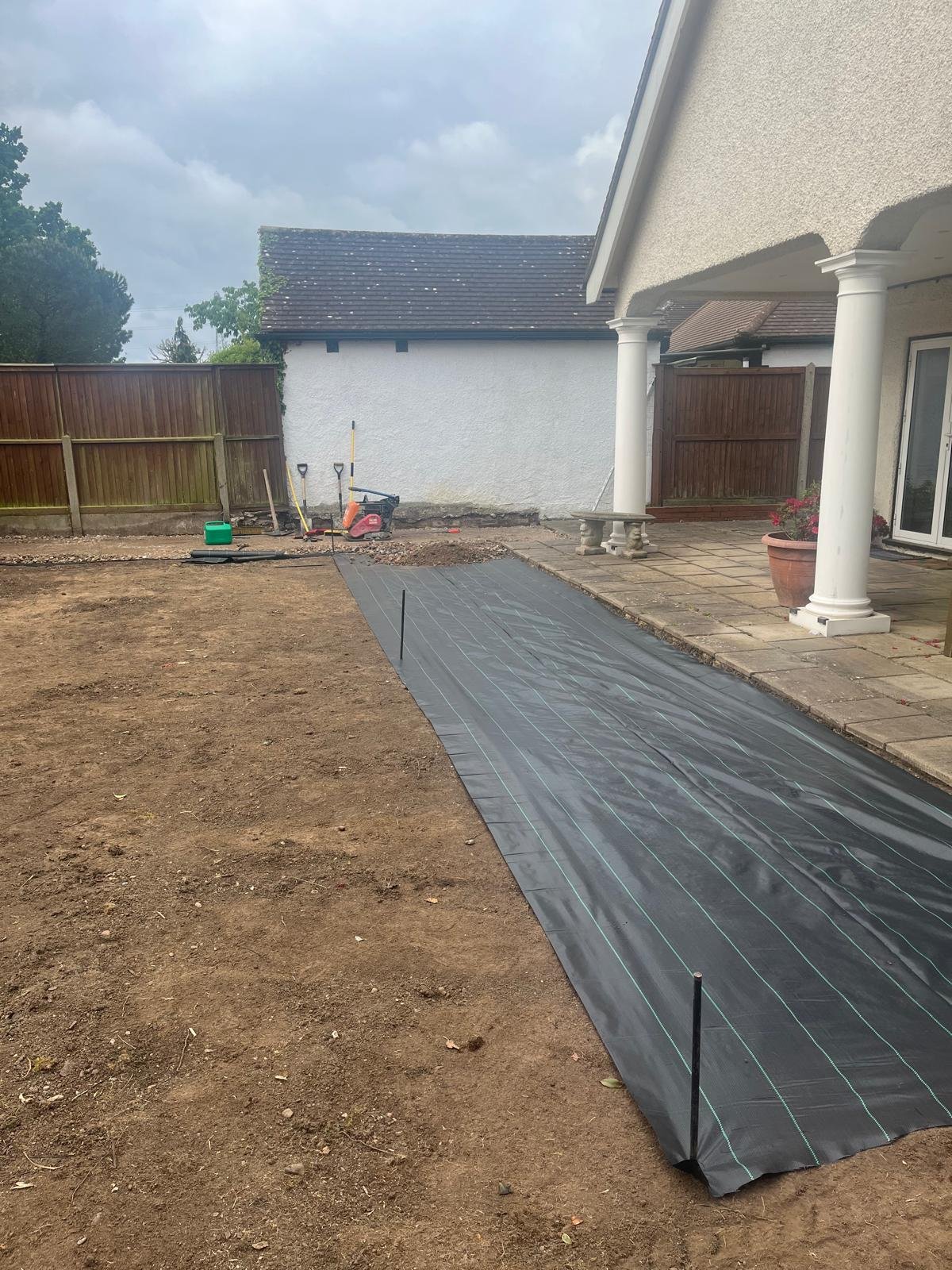
Geotextile membrane is often laid beneath the sub-base on softer or clay-heavy ground to stop aggregate migrating into the soil over time, which keeps the base stable for longer and reduces the depth of stone needed in some cases.
Excavation methods
Smaller residential jobs are usually excavated with a mini digger, which can access rear gardens through standard side gates in many Potters Bar properties. Larger or tighter sites sometimes need hand digging around services, trees or boundaries where machinery risks damage.
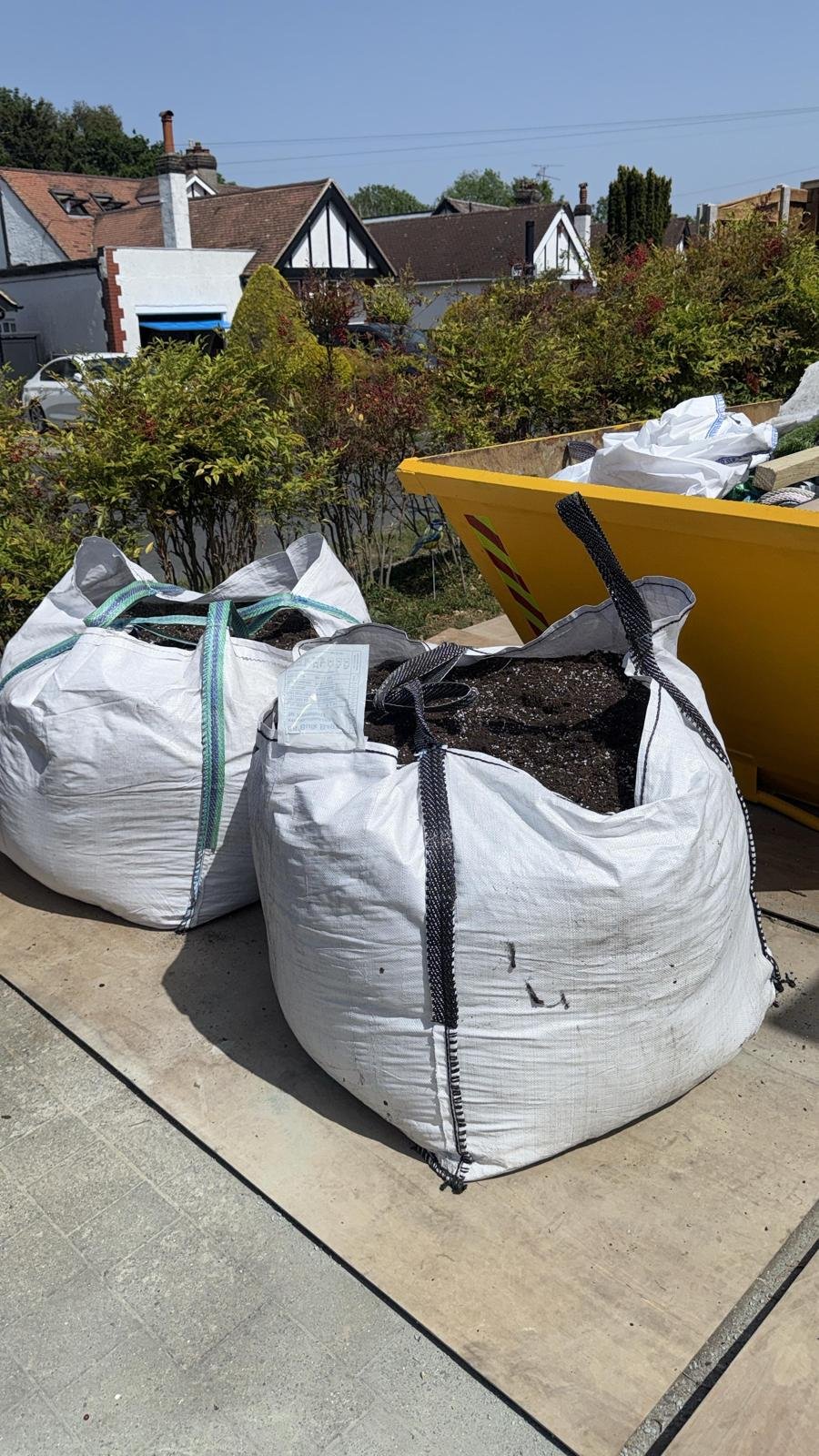
Spoil is either reused on-site for landscaping where suitable, or removed and disposed of. Knowing which spoil can be reused saves cost and reduces the number of skips or grab lorries needed on a job.
Drainage design
Drainage is designed around where water naturally wants to go on a site, and where it's not allowed to go, such as towards a neighbour's boundary or a building's foundations. Soakaways, land drains and channel drains are chosen based on soil permeability and local ground conditions.
On Hertfordshire's clay soils, soakaways don't always drain effectively, so combining them with a controlled outlet or attenuation approach is sometimes the more reliable solution, particularly for larger paved areas subject to surface water regulations.
Residential vs commercial groundworks
Residential groundworks typically covers driveway and patio preparation, garden levelling, extensions and outbuilding bases. Access is usually the main constraint, working through gates, around fences and near existing planting.
Commercial or trade groundworks tends to involve larger areas, heavier loadings and coordination with other contractors on programme, such as preparing hardstanding ahead of a build or car park base ahead of surfacing.
Dealing with difficult ground
Sites with tree roots, old foundations, high water tables or contaminated fill need extra care. Roots may need to be worked around rather than cut to avoid damaging protected trees, and old foundations sometimes need breaking out before excavation can continue.
Where ground conditions are uncertain, trial holes dug early in the process reveal what's actually below the surface, avoiding costly delays once excavation is underway and unexpected material is found.
Related services
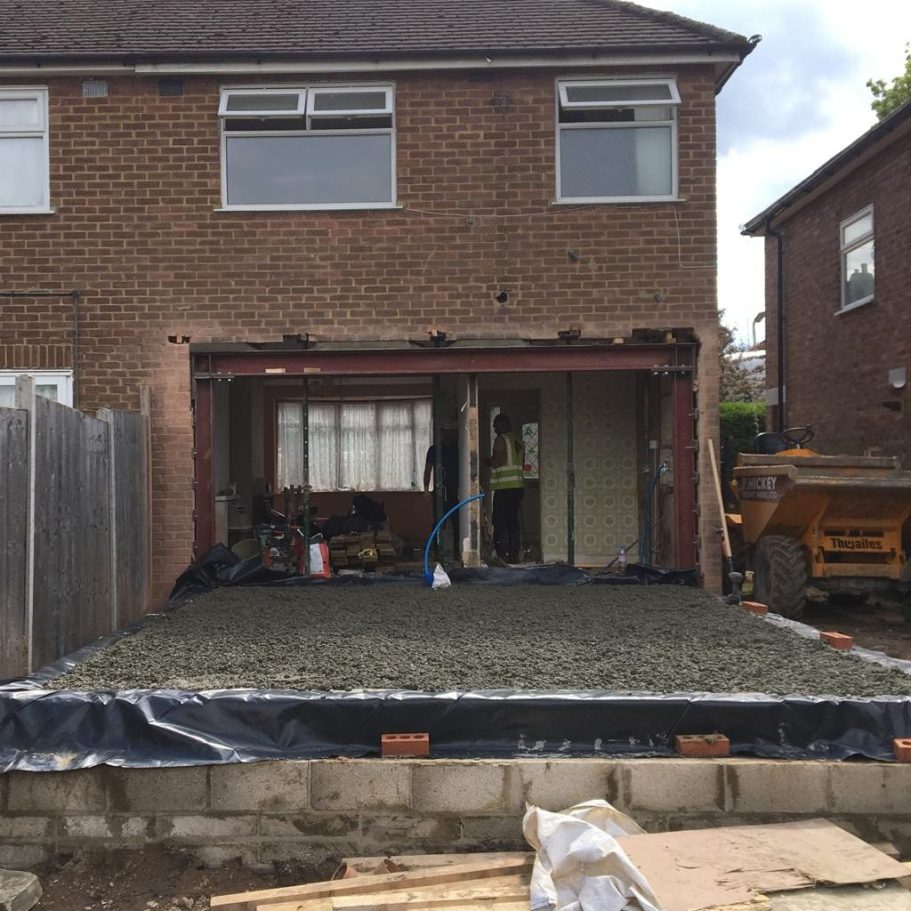
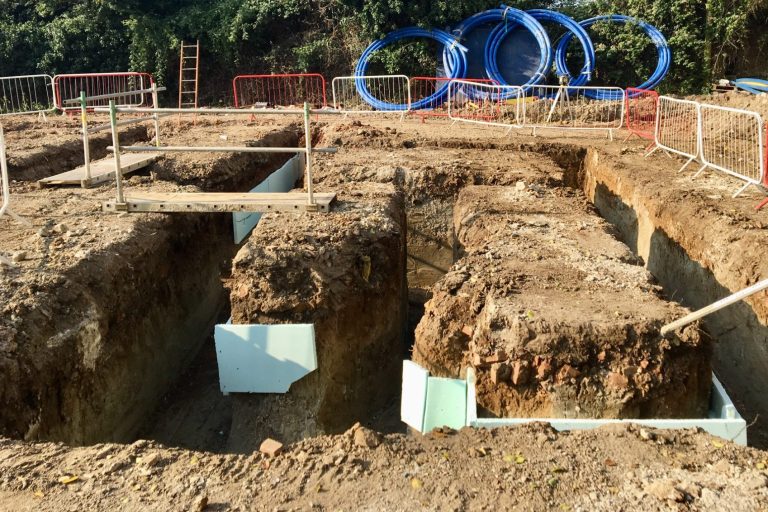
Foundations & Footings
Dug, formed and poured to spec for extensions, garages and outbuildings.
Read more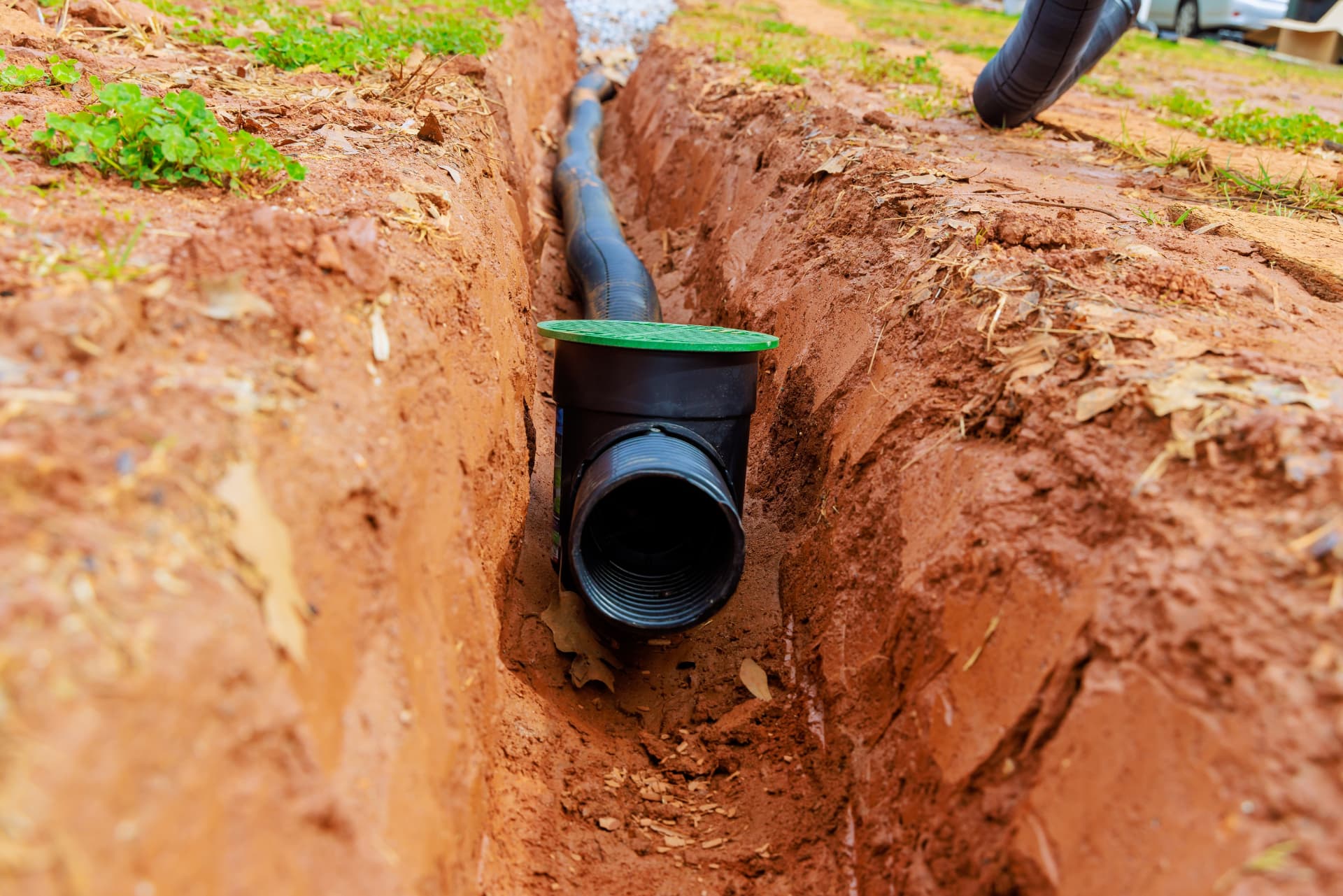
Drainage
Channels, soakaways and surface water solutions designed in from the start.
Read more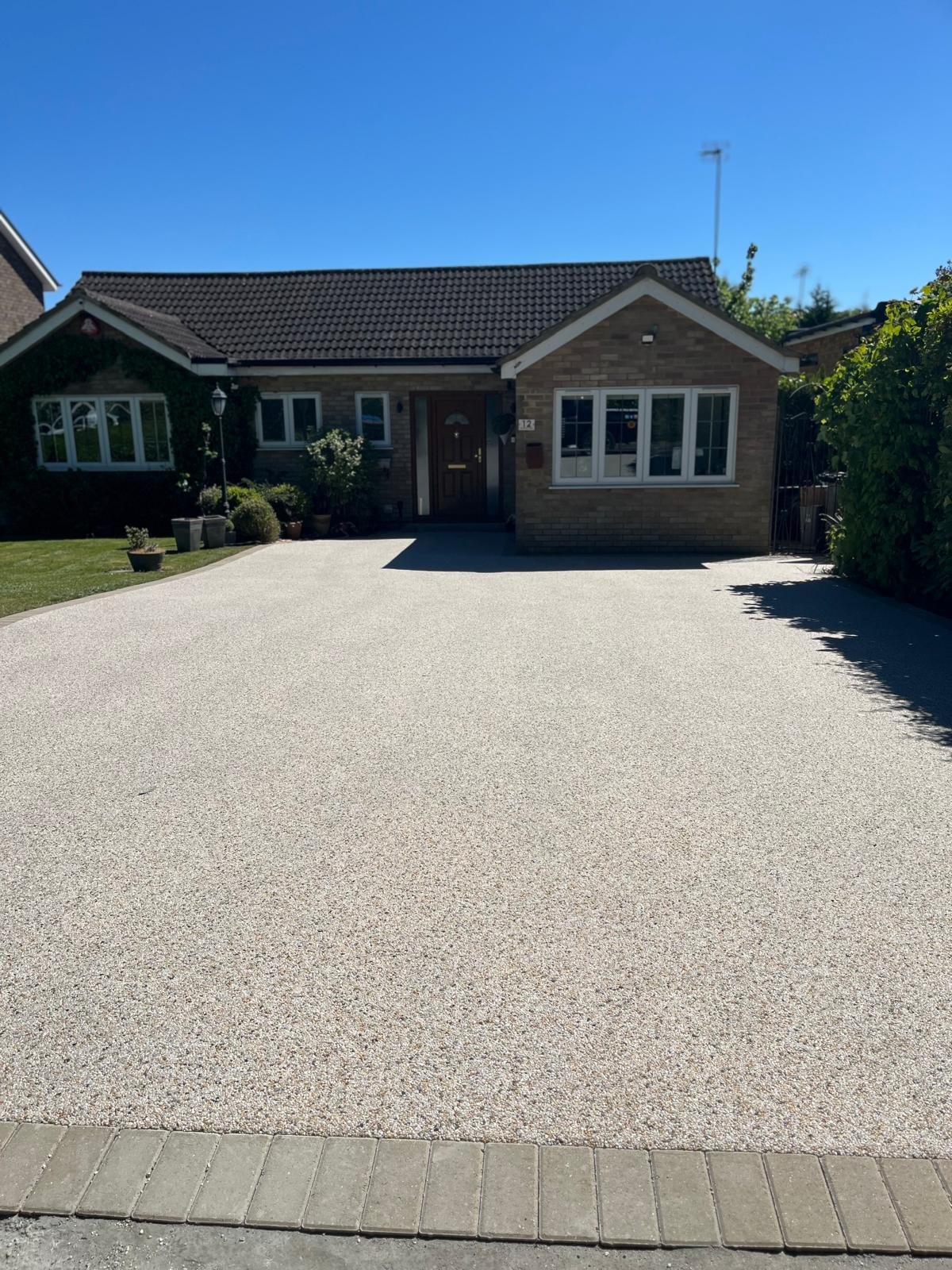
Resin Bound Driveways
Permeable, seamless and built on a properly excavated, drained base, not laid over guesswork.
Read more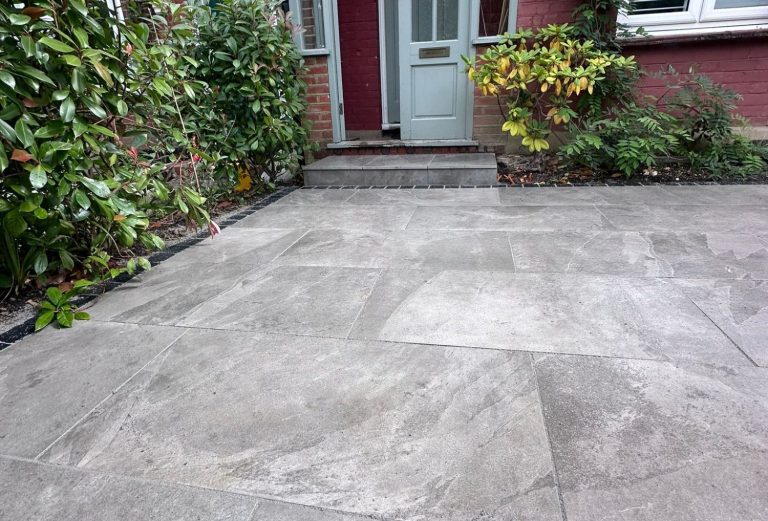
Patios
Porcelain, natural stone and paving laid level, tidy and made to last.
Read moreGroundworks across our service areas
- Groundworks in Potters Bar
- Groundworks in Brookmans Park
- Groundworks in Hadley Wood
- Groundworks in Cuffley
- Groundworks in Cockfosters
- Groundworks in Totteridge
- Groundworks in Whetstone
- Groundworks in Mill Hill
- Groundworks in Barnet
Based in Potters Bar, working across south Hertfordshire and north London. See all our services or get in touch.
Common questions
Answers before
you call
- How much does groundworks cost in Potters Bar?
- It depends on ground conditions, access, depth of excavation and drainage required, which is why we assess every site in person before quoting rather than pricing over the phone.
- How long does a groundworks job take?
- A domestic driveway or patio base typically takes a few days to a week. Larger sites with drainage installation or difficult ground take longer, which we outline after the site visit.
- Do I need planning permission for groundworks?
- Most domestic groundworks like driveway prep or garden levelling don't need permission, but drainage changes affecting boundaries or watercourses sometimes do. We'll flag it if your site needs checking.
- What happens to the soil you dig out?
- Where possible, suitable spoil is reused on-site for landscaping or backfill. Anything unsuitable or excess is removed and disposed of responsibly.
- Can you work around existing trees and drains?
- Yes. We identify roots, services and existing drainage during the site visit and plan excavation to avoid damaging them wherever possible.
- How deep does a sub-base need to be?
- It depends on the soil and what the surface will carry. A pedestrian patio needs less depth than a driveway taking regular vehicle weight, and we set this out before work starts.
- Do you cover Brookmans Park, Cuffley and Hadley Wood too?
- Yes, alongside Potters Bar we regularly carry out groundworks across Brookmans Park, Cuffley, Hadley Wood, Cockfosters, Totteridge, Whetstone, Mill Hill and Barnet.
- Are you available for urgent groundworks issues?
- We're available 24 hours, seven days a week by phone, so if you've got flooding, subsidence signs or an urgent site problem, you can reach us any time.
- Will groundworks disrupt my garden or driveway long-term?
- We keep working areas contained and reinstate boundaries and access as we go, so disruption is limited to the active work zone rather than the whole plot.
- Can groundworks fix an existing drainage problem?
- Often, yes. Regrading levels and adding proper drainage during groundworks is usually the most effective long-term fix for standing water or damp patches in a garden.
Recent work
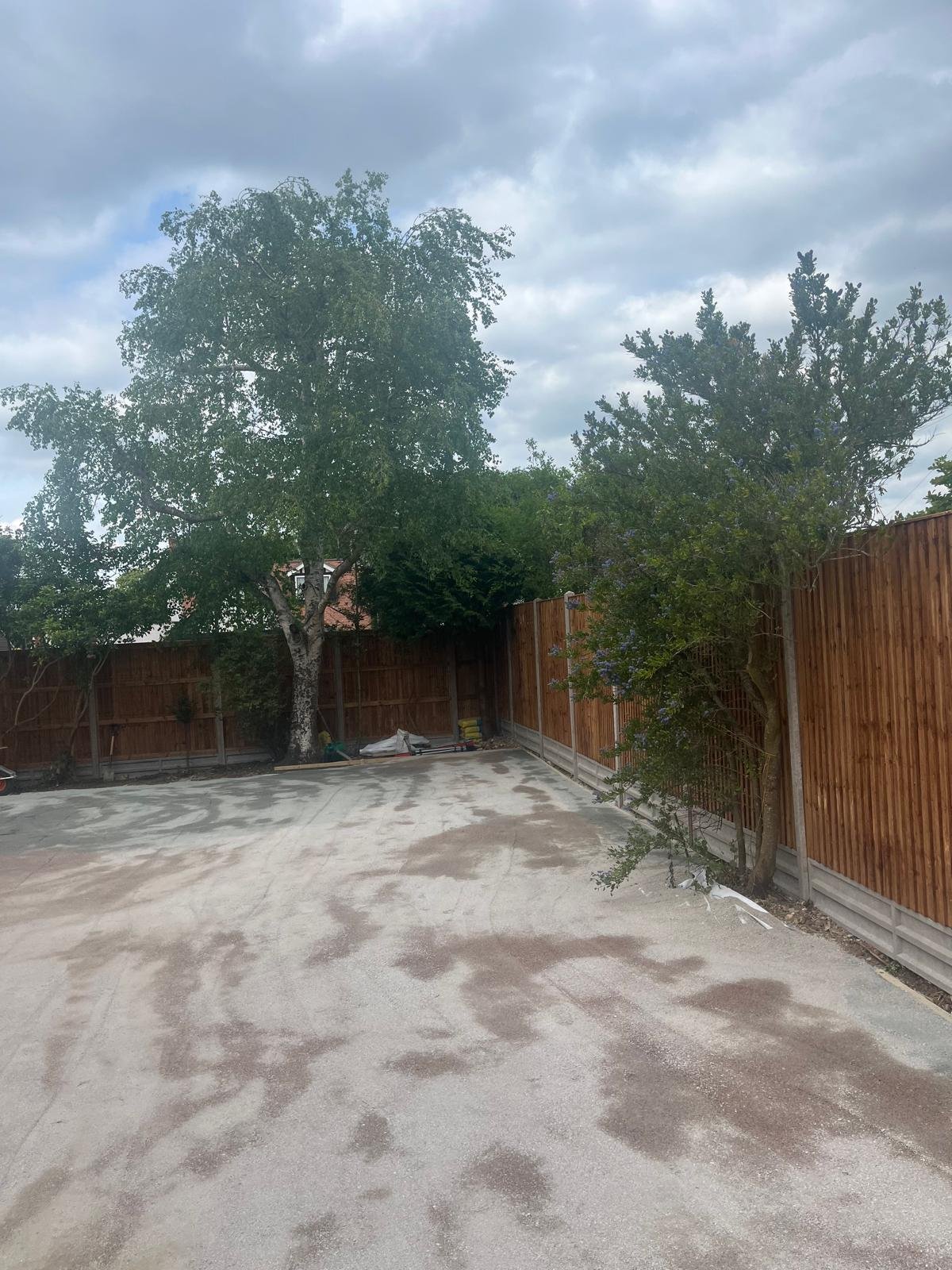
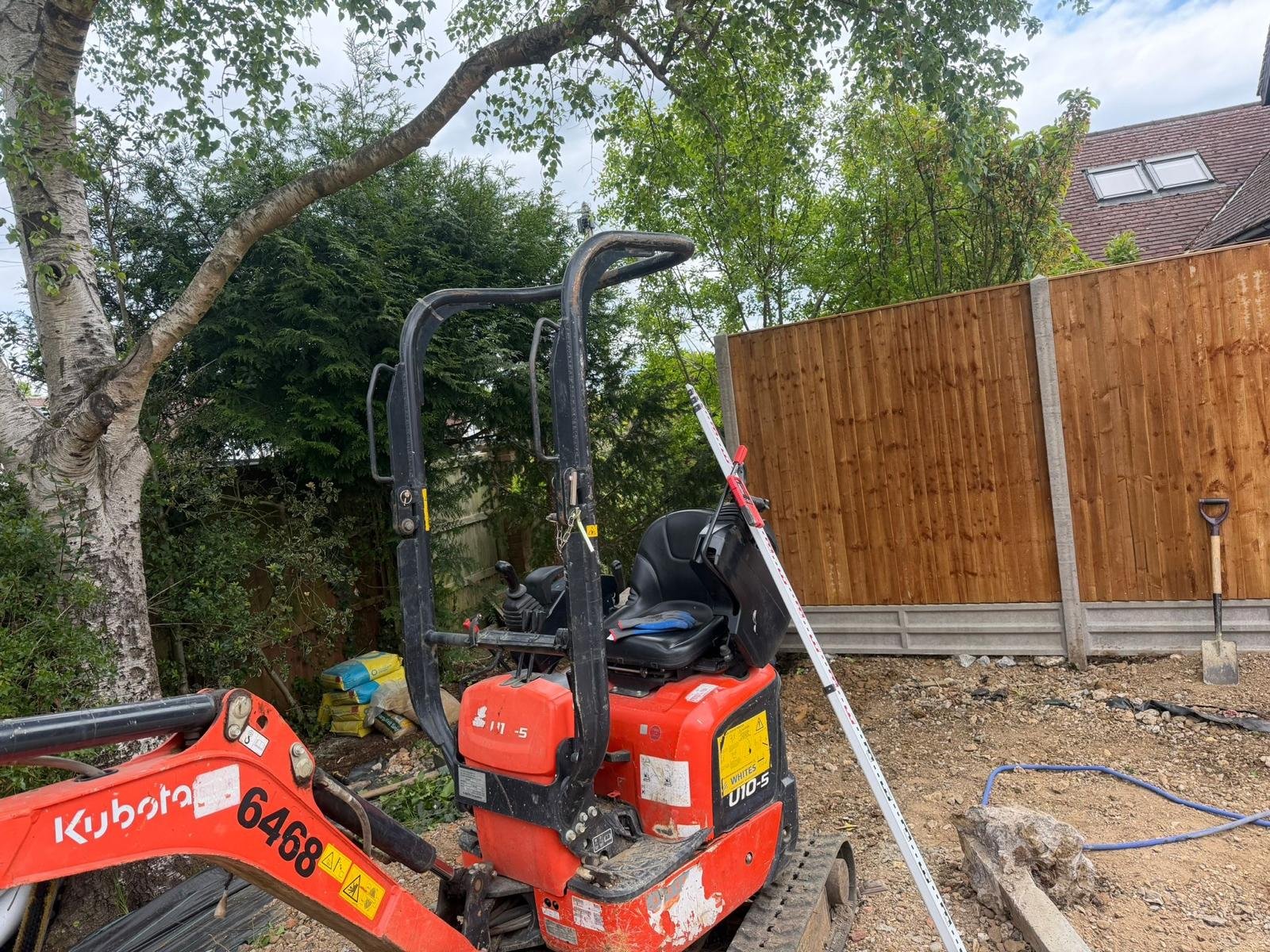
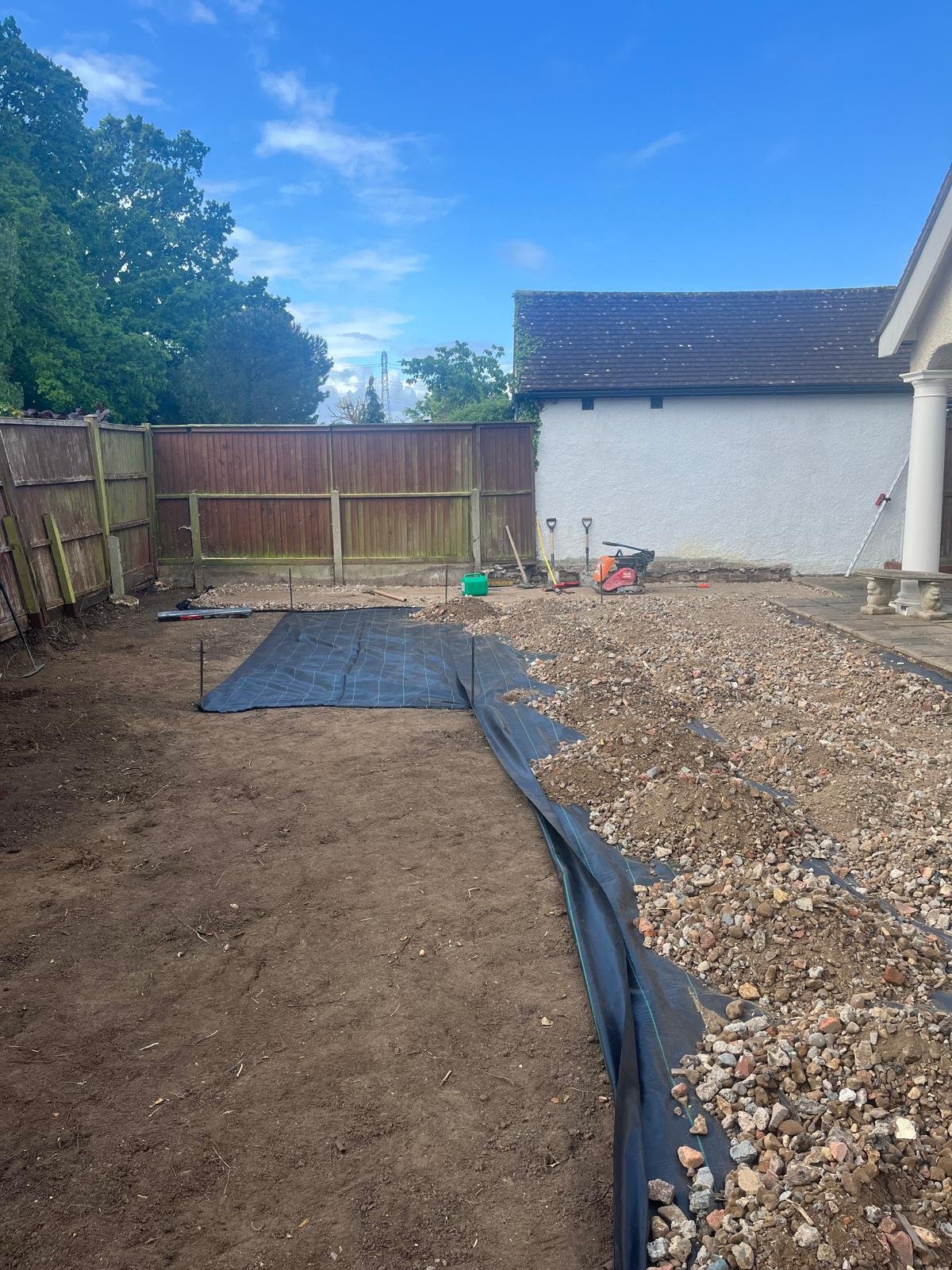
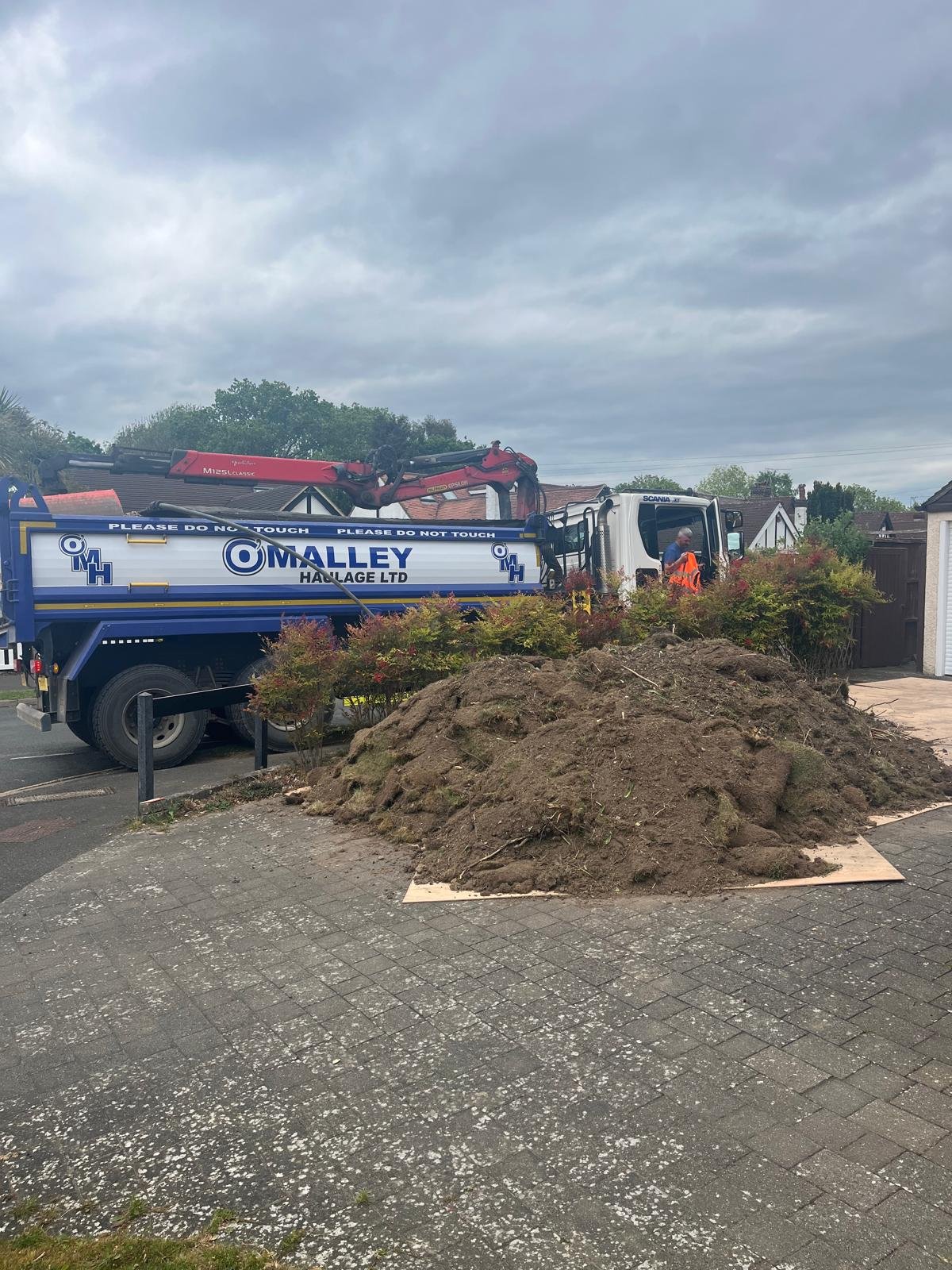
Get Your GroundworksAssessed Properly, On Site
Call John Ruben Ltd for a site visit anywhere in Potters Bar or north London. We'll check ground conditions, drainage and access before giving you an honest plan and price.
Established 2013 · 25+ years’ experience · 5.0 rated on Google · family-run · available 24 hours, 7 days